Foundation Crack Repair in Omaha, NE
Foundation crack repair in Omaha, Nebraska ranges from injecting resin into a thin crack in poured concrete to repointing worn mortar in an older block, brick or stone wall. Most cracks matter because they give water a way in. Through the short form, one independent local contractor can reach out about yours.
Not sure if we cover your area? Check now ↓
Basement Estimate Request
Takes about 30 seconds. One local contractor gets it and contacts you.
Your details go to one independent contractor who works around Omaha, NE, and that contractor gets in touch with you directly. See our Referral Marketing Disclosure.
Foundation Cracks, Explained
Poured concrete shrinks slightly while it cures, so narrow vertical or diagonal cracks can show up in walls of any age. When one seeps after rain, injection is the usual answer: small ports go on the room side, and epoxy or polyurethane is pumped in until the crack is filled through the wall's full thickness.
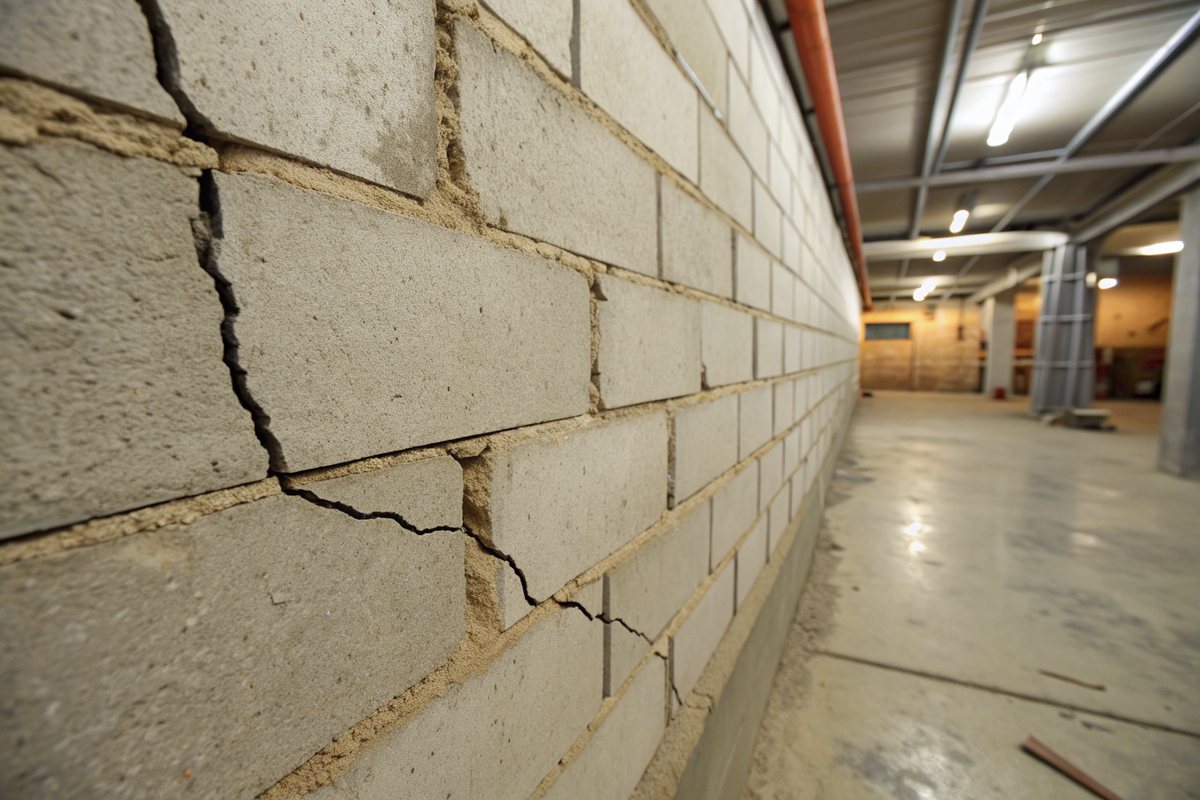
Masonry is another matter. Cracks in concrete block usually zigzag through the mortar like a staircase, and joints in old brick or stone can crumble with age. Injected resin would just drain into hollow cores and gaps, so masonry is normally repointed: crumbly mortar comes out and new mortar goes in. Census survey data date about 46% of Omaha's homes to before 1970, so older poured, block, brick or stone walls often turn up here.
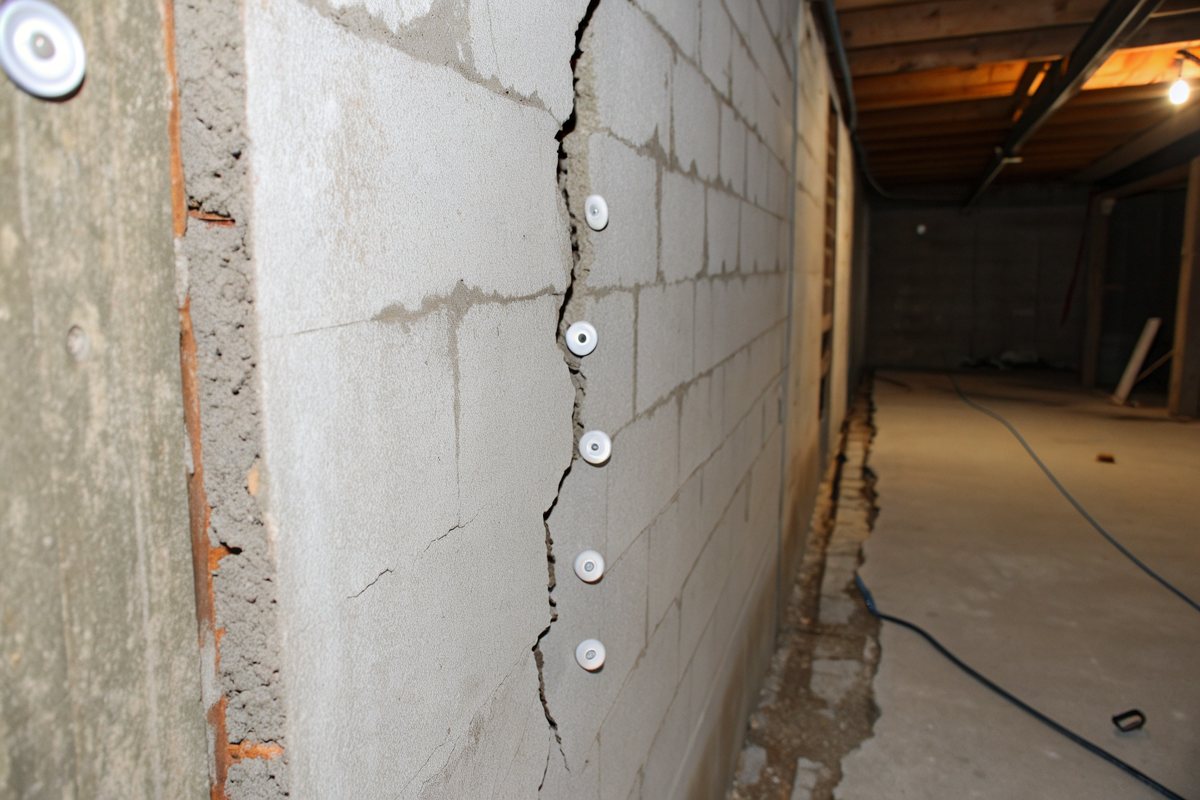
Winter freeze-thaw can pry at an open crack, and the wind-blown loess that covers most of the Omaha area erodes easily, so it can settle or wash unevenly when it stays wet and leave one stretch of wall carrying more load than another. A horizontal crack, a crack that keeps growing or a wall that has started to bow inward is worth having looked at soon.
Where Foundation Crack Repair Fits
- Seeping poured-wall crack. Injected from the inside with epoxy or polyurethane.
- Stair-step block cracks. The opened joints cleaned out and refilled with mortar.
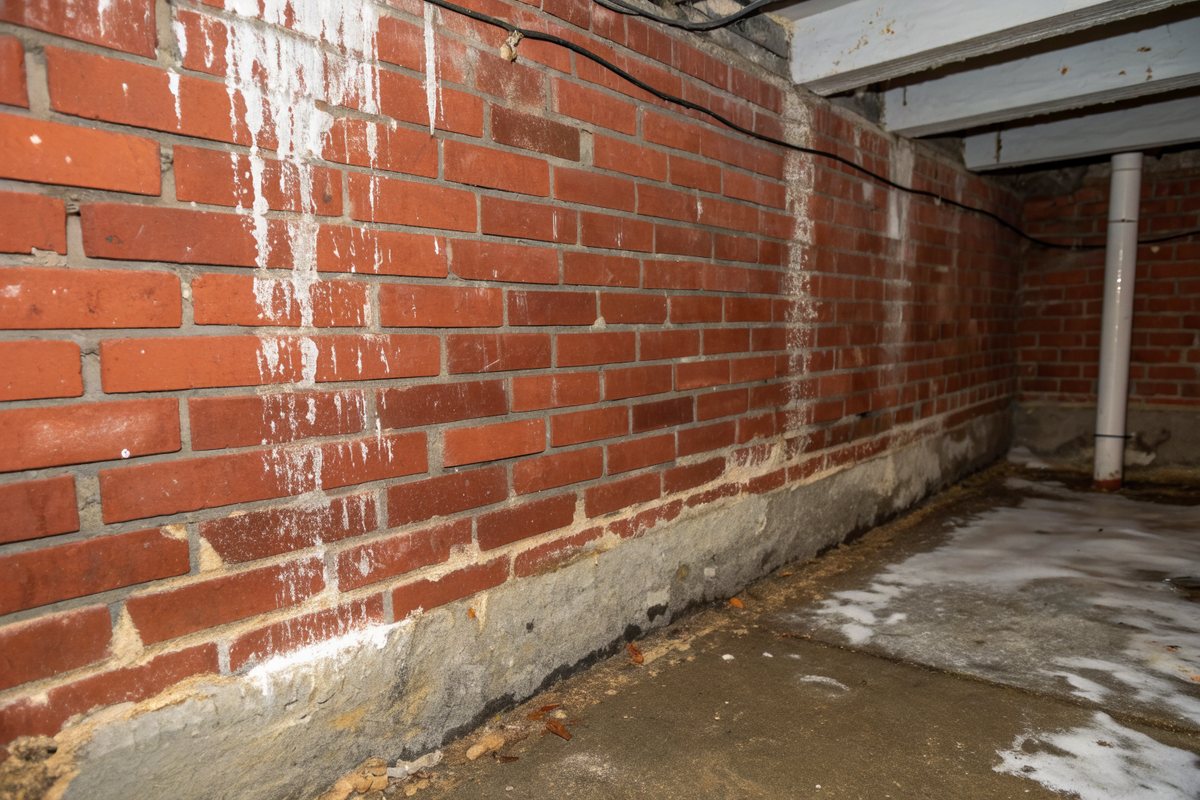
- Soft brick or stone. Repointing wherever the old mortar has crumbled away.
- Horizontal crack or bowing. Worth a contractor's look soon, no matter the wall material.
- A crack that grows. Pencil a dated mark at each end and describe any change in your request.
Typical Price Ranges
| Cost row | Figure | Source (year) |
|---|---|---|
| Typical basement waterproofing project | about $3,000 to $10,000 (average about $5,000) | Fixr national (2026) |
| Interior perimeter drain, per linear foot | $40 to $120 | Fixr national (2026) |
| Sump pump installation | $600 to $2,500 | Fixr national (2026) |
| Epoxy crack injection, per crack | $250 to $1,000 | Fixr national (2026) |
| Waterproof paint or sealant, per sq ft | $1 to $8 | Fixr national (2026) |
For a crack or two, the injection row is the one to read. Like the rest, it is national, because no Nebraska source publishes one, and it isn't a price from this site. Repointing, wall bracing and excavation have no sourced figure, so ask for each as its own line. The cost guide covers what else drives totals.
The Typical Job, in Order
- Documenting each crack. Contractors typically photograph and measure every crack and note whether water comes through.
- Choosing the method. The wall material usually decides between injection and repointing.
- Permits and licenses. Foundation, structural or excavation repair in Omaha may need a City building permit from Permits & Inspections, 1819 Farnam Street, Suite 1100, (402) 444-5350. The City licenses building contractors; verify one at omahapermits.com. Each nearby town issues its own permits, and the contractor confirms which apply.
Less Hassle, Clearer Answers
This page offers plain background, and the form brings contact from one independent local contractor when you want it. The site is a referral and advertising service, not a contractor or an engineer: it doesn't inspect walls, judge cracks, write estimates or sign anything. Homeowners pay it nothing and get nothing from it; a contractor may pay a flat advertising fee, currently waived on trial.
No statewide general contractor license exists in Nebraska. Registration with the Department of Labor is required of contractors, and you can check it at dol.nebraska.gov or (402) 471-2239. Ask for proof of liability insurance and references too. If you sign a contract at home, you may have three business days to cancel.
Frequently Asked Questions
Is a hairline crack in a poured wall a problem?
Often it is only shrinkage from curing. If it stays dry and holds its width, watching it is often enough. Once it weeps after rain or lengthens over a few months, injection is the usual next step, and that history belongs in your request.
Should I ask for epoxy or polyurethane?
They suit different cracks. Epoxy cures hard and bonds both faces together; polyurethane foams and stays a bit flexible, which can help with a damp crack or one still moving. Ask which resin is proposed and why, and get the warranty terms in writing, including whether they pass to a future buyer.
What if a crack repair goes wrong?
Put the problem to the contractor in writing. If nothing changes, the Nebraska Attorney General's Consumer Protection Division takes complaints at (800) 727-6432. For City license or permit questions at an Omaha address, Permits & Inspections is at (402) 444-5350; in a town, ask its building office.
More Ways to Keep Water Out
Water that isn't confined to one crack belongs under basement leak repair, basement drainage and full basement waterproofing.
Talk to a Contractor About Cracks
Note each crack's wall, length and whether water comes through; a photo with a tape measure helps. After you send the form, one independent local contractor gets in touch, looks at the wall and writes up an estimate; any repair is a decision for you and that contractor. The short form below has room for those details.