Sump Pump Installation in Omaha, NE
A sump pump collects the water that gathers under a basement floor and pushes it out to the yard. Owners of homes in Omaha, Nebraska can describe their pump trouble in one short form on this free referral service, and a single independent local contractor gets in touch to look at the pit and write down any price.
Not sure if we cover your area? Check now ↓
Basement Estimate Request
Takes about 30 seconds. One local contractor gets it and contacts you.
Your details go to one independent contractor who works around Omaha, NE, and that contractor gets in touch with you directly. See our Referral Marketing Disclosure.
What a Sump Pump Does
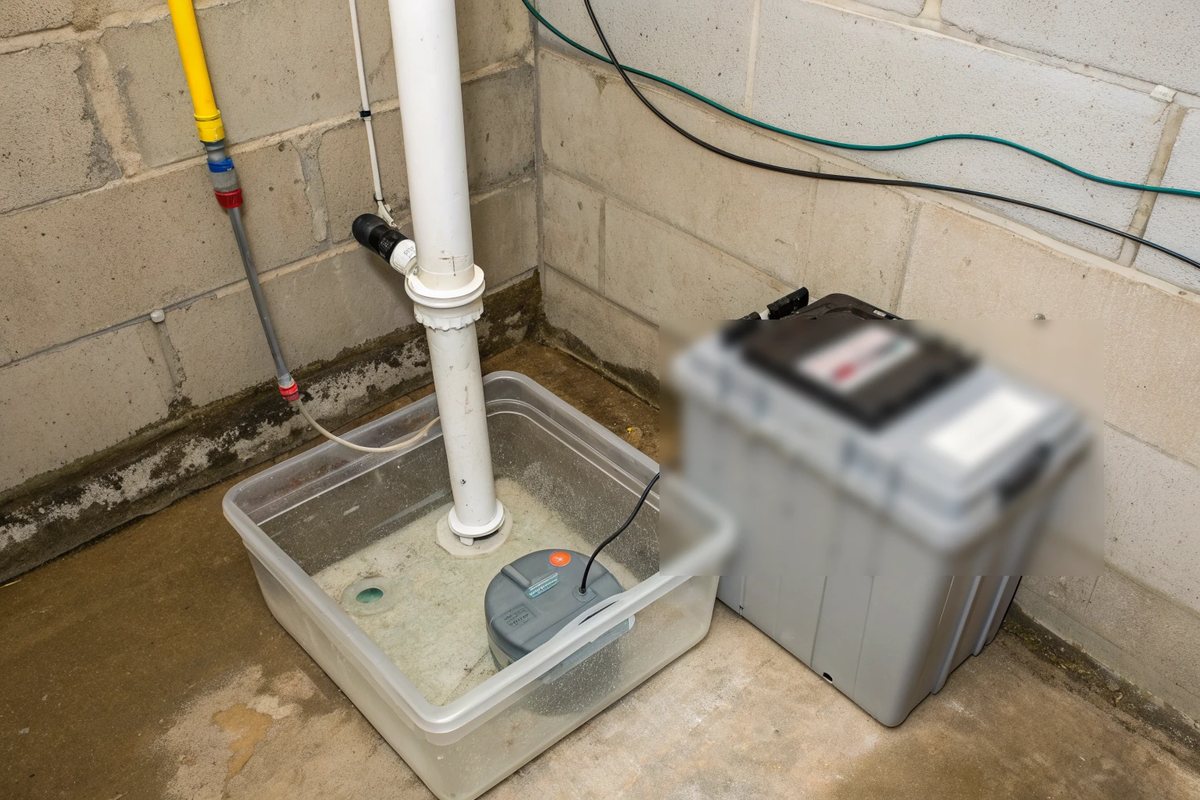
A pit sits below the slab at a low corner, drain tile or loose stone lets groundwater seep into it, and a float switch starts the pump once the level climbs. The water rises through a discharge pipe and past a check valve, which keeps it from dropping back each time the motor stops.
How hard it works depends on the ground. USGS maps much of the Omaha area as wind-blown Peoria Loess over clayey glacial till, with alluvium in the creek bottoms. Till can hold water against a wall after a wet stretch, and alluvium can carry groundwater toward a foundation.
Rain sets the rhythm. Late in September 2026, Eppley Airfield logged nearly five inches on one Wednesday night, in a month with almost a foot of rain there (WOWT). That water came while most people slept, which is why backup power and an alarm come up so often.
Pumped water should end up outside, a good way from the foundation and from the yards next door, and never into a floor drain, a laundry tub or any sewer line. A licensed plumber, or the City itself, can say where your line should end; in a nearby town, ask that city. Hooking a sump into a pipe of any kind is a plumbing job: in Omaha, a permit job for an Omaha-licensed plumber or sewer layer, and elsewhere for whichever plumbing license the city accepts.
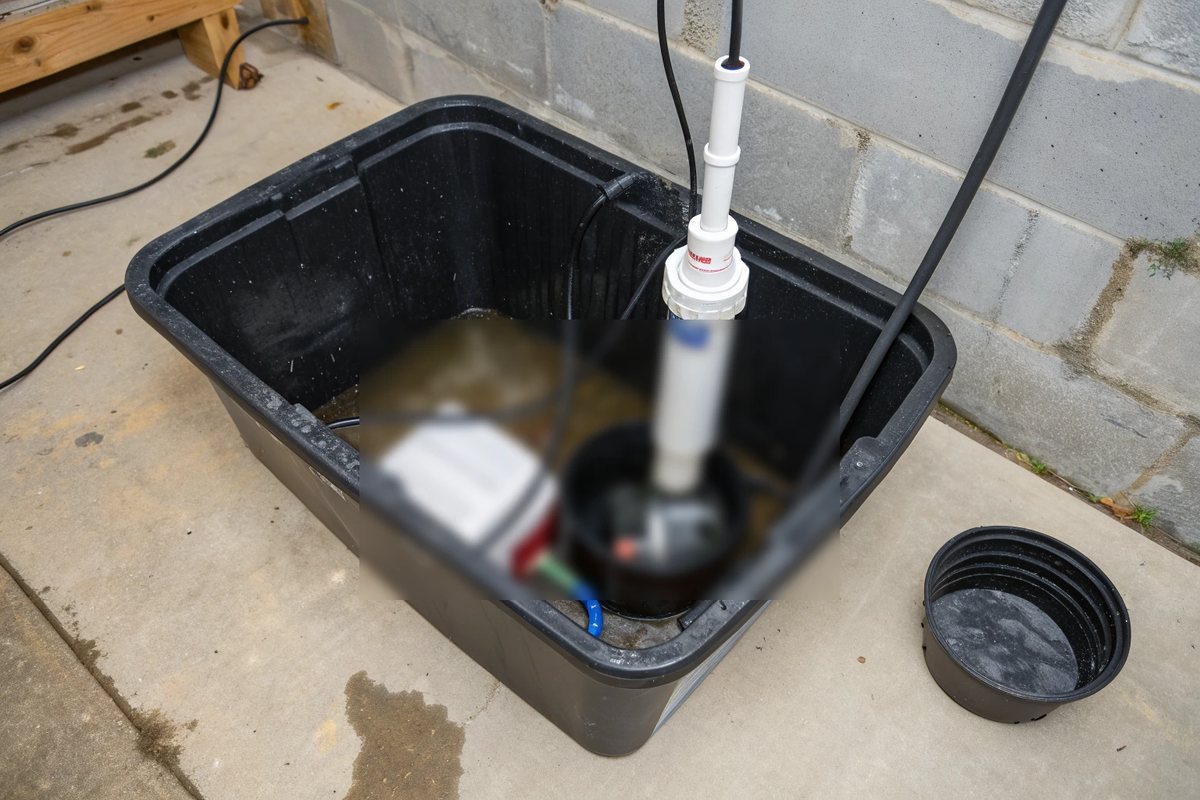
Where Sump Pump Installation Fits
- A tired pump. It hums without moving water or kicks on during dry weeks.
- A first pit. A new basin cut into the slab, often where new interior drain tile ends.
- Backup for night storms. A battery-powered second pump and a high-water alarm for when a summer storm cuts the power.
- A short outlet. A discharge carried farther out, so water lands in the yard rather than beside the wall.
Typical Price Ranges
| Cost row | Figure | Source (year) |
|---|---|---|
| Typical basement waterproofing project | about $3,000 to $10,000 (average about $5,000) | Fixr national (2026) |
| Interior perimeter drain, per linear foot | $40 to $120 | Fixr national (2026) |
| Sump pump installation | $600 to $2,500 | Fixr national (2026) |
| Epoxy crack injection, per crack | $250 to $1,000 | Fixr national (2026) |
| Waterproof paint or sealant, per sq ft | $1 to $8 | Fixr national (2026) |
Each row is a 2026 national figure; no cost source covers Nebraska or Omaha. A pump swapped into a sound basin tends to land low in the sump row, and a new pit, battery unit or long outdoor run pushes it up. Tie-ins and backwater valves are plumbing, priced separately by a licensed plumber. The cost guide and the cost calculator go further.
The Typical Job, in Order
- A look at the pit. The contractor checks the basin, the pump, the valve and where the line exits.
- Questions about timing. When does the pump run: after a thaw, after storms or nearly all year?
- A written estimate. Pump model, basin size, check valve, any battery unit or alarm, the outdoor discharge point and one total.
- Permits. In Omaha, digging or foundation work may need a City building permit, and any plumbing or sewer connection its own permit in a plumber's or sewer layer's name. Permits & Inspections, (402) 444-5350, tells the contractor which apply; towns run their own offices.
- A test. A bucket of water in the pit should kick the pump on, push the water out the line and let the valve close.
Less Hassle, Clearer Answers
The form puts your description in front of one independent local contractor, who gets in touch directly. You are charged nothing and given nothing; that contractor may pay this site a flat fee to advertise. This site installs no pumps and plays no part in any contract.
Checking the contractor is up to you. Nebraska requires contractors to register with the Department of Labor; look the business up through dol.nebraska.gov, or ask at (402) 471-2239. At an Omaha address, also confirm its City license at omahapermits.com. The Attorney General's consumer protection office takes complaints at (800) 727-6432.
Frequently Asked Questions
Can the pump empty into a floor drain or laundry tub?
No. Both usually run into the house's sewer line, and sump water should stay out of it; send it outdoors, well away from the foundation and next door. If an existing line ends in a pipe, a licensed plumber can explain the choices, and changing it is plumbing done under a permit.
Does a sump pump do the same job as a backwater valve?
The pump lifts groundwater from beneath the floor and sends it outside. A backwater valve sits on the house's sewer pipe and closes when sewage starts moving back toward the basement. A licensed plumber can tell you whether a valve suits your home, and the permit office can say which permit it needs.
Is there a City program for pumps or valves?
None turned up: the research behind this site found no City of Omaha program for sump pumps, backwater valves or private sewer lines. The City's CSO Program tackles combined-sewer overflows into the Missouri River and Papillion Creek, a different task. Omaha Public Works, 402-444-5220, takes City sewer questions.
More Ways to Keep Water Out
Pipe that feeds the pit is explained on basement drainage, whole-space plans on full basement waterproofing; one damp spot or a split wall points to basement leak repair or foundation crack repair.
Next Step: A Sump Pump Estimate
Tell the form whether there's a pit already, how often the pump kicks on and where the water turns up. One independent local contractor in the Omaha area gets the request, reaches out about seeing the basement and writes down any price; whether to go ahead is up to you. Sending the form is the whole process.